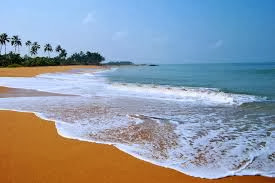
Negombo is located approximately 37 km north of commercial capital Colombo in Sri Lanka. It is located at the mouth of the Negombo lagoon. The major beach resort in the West Coast is Negombo. The wide sandy beaches and the safe sea are the major attractions of Negombo and it is perfectly located within the 7 km from the Bandaranaike International Airport in Sri Lanka.
Negombo has a small port, and its economy is mainly based on tourism and its centuries-old fishing industry. Negombo is a traditional fishing town of Sri Lanka. Regarded as the traditional fishing town, no wonder Negombo is a gourmet's delight with seafood available in plenty. Also produces spices, ceramics and brassware.
Negombo has a majority of Roman Catholics along with Buddhists, Hindus and Muslims. Negombo has been given the name "Little Rome" due to the highly ornate Portuguese-era Roman Catholic churches found within the township.
The town has several buildings that date back to the Dutch and Portuguese colonial era. Attractions in the city are the old Dutch fort gate built in 1672 now a part of the prison, the Dutch Canal which was then a supply route to the Dutch administration, old churches and fishing villagers. The 100km long canal running through the town is still being used and is an attraction for those who want to see the country from a different perspective. The Katuwapitiya Church and the Grand Street Church are two biggest parishes in Negombo. "Agurukaramulla temple" is a famous Buddhist temple bringing Buddhists from all over Sri Lanka to Negombo every year.
The wide sandy beaches and the safe sea are the major tourist attractions of Negombo, use the town for the first or the last night of their stay in Sri Lanka. Negombo offers some of the better beaches on the west coast of Sri Lanka, and draws tourists who stop over for a day on their way to or from the airport. Several hotels ranging from luxury hotels to small hotels, guest houses and restaurants have in Negombo. Some quiet stretches of the beach are maintained by the tourist hotels. While others are always busy with fisherman and their equipment. Water-sports and diving are also extremely popular among visitors, with a few well preserved coral reefs and a 50 year old shipwreck that serves as an artificial reef for many varieties of fish. There are also local handicraft sales on the beaches and the shops near the town.
Negombo Lagoon
Negombo Lagoon is a large estuarine lagoon in Gampaha District, south-west Sri Lanka. The Negombo Lagoon has an area of 3164 hectares and is situated some 40 km north of Colombo. It is part of a much larger Muthurawajawela Marsh-Negombo Lagoon coastal wetland. The lagoon is fed by a number of small rivers and a canal. It is linked to the sea by a narrow channel to the north, near Negombo town. The lagoon is surrounded by a densely populated region containing rice paddies, coconut plantations and grassland. The land is used for fishing and agriculture.
The lagoon has extensive mangrove swamps. The lagoon attracts a wide variety of water birds including cormorants, herons, egrets, gulls, terns and other shorebirds.